.png)


The Timeless Elegance of a Tamil Brahmin Bride: A Journey Through Tradition
Updated: Feb 3
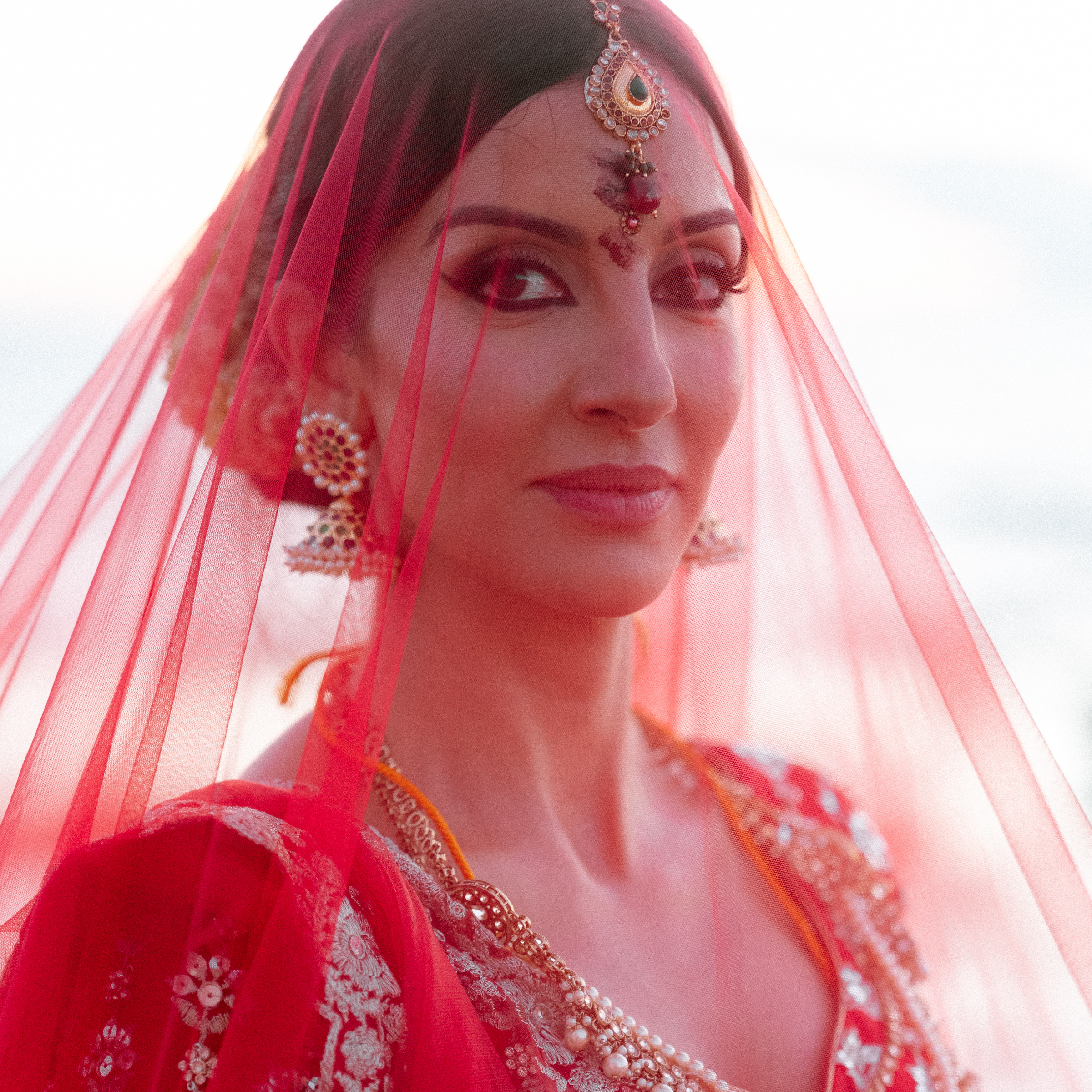
A Tamil Brahmin bride is not just a vision of beauty; she embodies tradition, heritage, and centuries of storytelling. Today, we explore the complete bridal ensemble, from the legendary Madisar saree to the beautification of Solah Shringar and the must-have Temple Jewellery ornaments.
The Madisar: Draping 2,000 Years of Tradition
The Madisar is the iconic 9-yard saree worn by Tamil Brahmin women during weddings and sacred ceremonies. Unlike the more common 6-yard saree, the Madisar is wrapped in a way that blends elegance with practicality. This drape once empowered women to move freely, climb, cook, and perform rituals without restriction.

A Saree With a Story
The origins of the Madisar trace back to the Chola period, where the 9-yard saree symbolised purity, auspiciousness, and womanhood. For Tamil Brahmin brides, wearing the Madisar marks a powerful transition into grihastha, the married stage of life. Traditionally worn in two major styles—the Iyer Madisar and the Iyengar Madisar—this drape transforms a simple piece of silk into a sculptural work of art. Each fold symbolizes discipline, modesty, and the deep-rooted heritage of Tamil households.
The Look
On a wedding day, the Madisar is usually crafted in rich Kanchipuram silk, featuring colours like red, maroon, gold, and vibrant mustard. Each hue signifies abundance and auspiciousness. The bride’s posture, gait, and aura change the moment she steps into the Madisar. It is not just clothing; it is a rite of passage.

Temple Jewellery: The Bride as a Living Goddess
No Tamil Brahmin bridal look is complete without Temple Jewellery, a regal collection inspired by ornaments once worn by deities and devadasi, the sacred dancers in ancient South Indian temples.
A Legacy Crafted in Gold
Originating in the Chola dynasty, famous for India’s most breathtaking temple sculptures, this jewellery was originally crafted to adorn idols in pure Indian gold and precious stones. Over time, Bharatanatyam dancers adopted it, and it slowly became the crown jewel of South Indian bridal wear.
Solah Shringar: The Sixteen Adornments of a Divine Bride
While a Tamil Brahmin bride traditionally follows South Indian customs, her bridal radiance resonates with the ancient concept of Solah Shringar—the sixteen sacred adornments that transform a woman into the embodiment of Shakti. Each element of this ritual beauty carries meaning, a blessing, and a connection to feminine divinity.
Here are all 16 elements, expanded and tailored to the Tamil aesthetic:
1. Bindi: A symbol of intuition, focus, and feminine power. For a Tamil bride, it is often a red or maroon dot complemented by the Nethi Chutti.

2. Sindoor: Applied gently on the bride’s maang to mark the sacred transition into marriage. In Tamil culture, it may appear as kumkum placed traditionally and with reverence on the main chakras.

3. Maang Tikka / Nethi Chutti Suryapirai and Chandrapirai: An iconic part of Tamil bridal jewellery. It rests on the bride’s forehead, enhancing symmetry and invoking the blessings of Goddess Lakshmi. Worn on either side of her hair parting, the Suryapirai sun-shaped and Chandrapirai moon-shaped ornamental jewels are studded with colourful gemstones.

4. Kajal: Enhances the eyes and protects from negative energy. South Indian brides often use a deep kohl line that defines their expressive gaze.

5. Nose Ring (Nath / Mookuthi): A tiny gold Mookuthi is traditional in Tamil households, representing purity and prosperity.

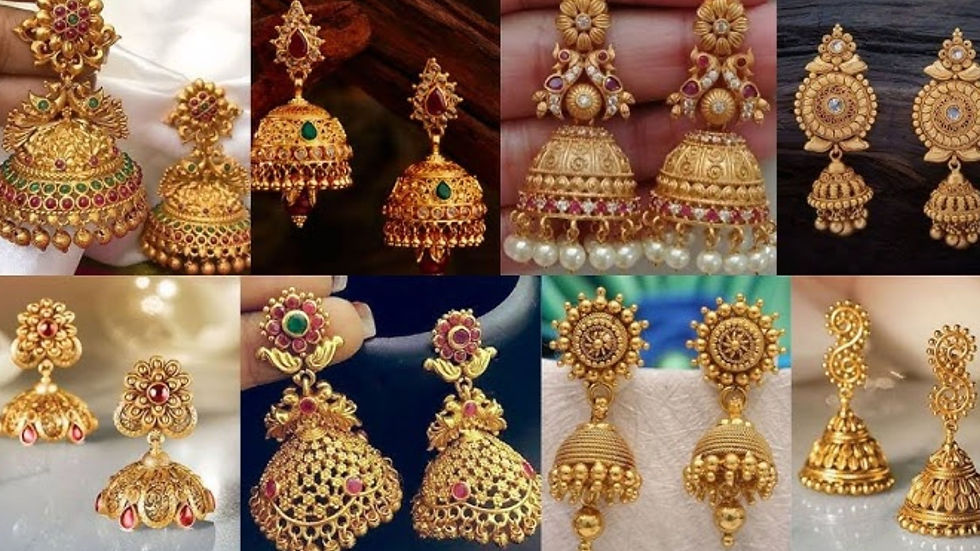
6. Earrings (Jimikki / Jhumkas): Bell-shaped ornaments that bring movement, sound, and abundance to the bride’s aura.
7. Mangalsutra / Thaali: The most sacred symbol of marriage. A Tamil bride’s thaali is unique to her community, tied with prayers and blessings from both families.

8. Necklace Layers: From the Kasumala to the Manga Malai, each necklace invokes prosperity, fertility, and divine protection.

9. Armlets (Vanki): These beautifully curved pieces resemble temple arches and echo the grace of classical dancers.

10. Bangles: Usually gold, sometimes mixed with glass bangles depending on family tradition. They create the auspicious sound that represents joy and new beginnings.

11. Waist Belt (Oddiyanam): A defining accessory for the Madisar drape. It adds structure, elegance, and symbolizes the strength of womanhood.

12. Anklets (Kolusu): Silver anklets with gentle chimes mark each step the bride takes into her new life.

13. Toe Rings (Metti): Worn on the second toe of each foot by married women, symbolising grounding, fertility, and longevity.

14. Henna / Mehndi: While not traditionally Tamil, many modern brides adorn their hands and feet in intricate designs representing love, joy, and good fortune. Usually, they use the red colour alta.

15. Fragrance: From fresh jasmine garlands woven into the braid to sandalwood paste applied delicately, the scent of a South Indian bride is sacred and calming.

16. The Bridal Hairstyle (Jadai Alangaram): A long braid decorated with flowers, gold discs, temple motifs, and a central Lakshmi medallion. It represents prosperity and the flow of feminine energy.

The Key Pieces
A Tamil Brahmin bride typically wears:
Maang Tikka / Nethi Chutti framing the face with divine symmetry
Jimikki / Jhumkas bell-shaped earrings symbolising prosperity
Kasumala / Coin Necklace representing wealth and blessings
Oddiyanam enhancing the Madisar’s drape
Vanki shaped like the temple arch symbolising protection
Jada Billalu or hair ornaments embellishing the braid with motifs of Lakshmi, peacocks, and lotus
Crafted in gold, kemp stones, pearls, and rubies, each piece tells a story of devotion. The bride becomes a representation of Goddess Lakshmi herself—radiant, powerful, and auspicious.
The Final Transformation
When all elements come together—the Madisar’s sacred drape, the Shila Sringaar glow, and the Temple Jewellery’s divine aura—the Tamil Brahmin bride becomes the heart of a timeless cultural legacy. She is both modern and ancient, a bridge between history and the present, a living celebration of the beauty and depth of Tamil traditions.
Her look is not simply “bridal wear.” It is heritage worn with pride. It is devotion transformed into elegance. It is a story 2000 years long told in silk, gold, and grace.
Embracing the Journey
As I reflect on the journey of a Tamil Brahmin bride, I am reminded of the intricate layers of culture and emotion woven into each detail. Every adornment tells a story, every drape carries a legacy. This celebration of love and tradition transcends time, connecting generations in a dance of joy and reverence.
In the heart of Italy, where South Asian weddings flourish, the Tamil Brahmin bride stands as a testament to the beauty of cultural fusion. Each wedding becomes a canvas, painted with the vibrant hues of tradition and the soft strokes of modernity. Couples can embrace this rich heritage, creating a tapestry of memories that will last a lifetime.
In this enchanting blend of past and present, we find not just a bride, but a celebration of love, culture, and the timeless elegance of Tamil traditions.

❤️